

Learn how to clear window weep holes (drainage holes), clean door thresholds, stop condensation and maintain your gutters this autumn. Expert homeowner advice from the Abelglass team in Blackpool and across the Fylde coast, to help prevent leaks, damp, mould and water ingress through the wetter months.
As the clocks go back and the weather turns, a quick hour of maintenance on your windows, doors and gutters can save you from far more costly repairs over winter. Here are the questions we get asked most, with straightforward answers.
Window and door weep holes (drainage holes)
What are window weep holes and why should I clear them?
Weep holes, also called drainage holes, are small slots in the external frame that let rainwater drain safely back outside. Over time dust, grit, sand and leaves block them. When they are blocked, water can build up inside the frame and, in some cases, find its way indoors. For most homes, a quick check and clean two or three times a year keeps them working.
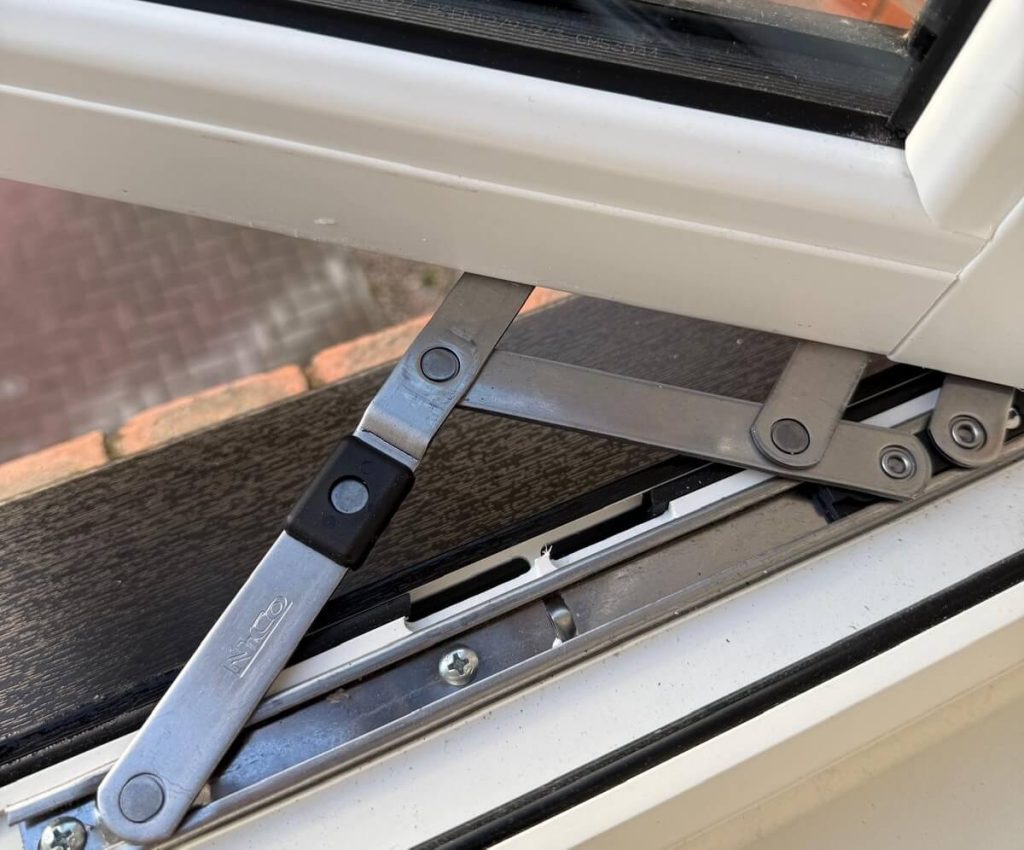
Where are the weep holes on my windows?
They sit at the bottom of the outer frame, usually as small slots or openings. If you are not sure, check both inside and outside the frame and pay particular attention to the bottom corners.
Where are the drainage holes on my door?
Most modern uPVC, aluminium and composite doors have drainage channels built into the threshold at the bottom of the frame. These outlets let rainwater escape rather than collecting inside the threshold.
How do I clean window weep holes?
- Open the window.
- Clear any visible debris from the frame channel.
- Use a soft brush (an old toothbrush is ideal), a cotton bud or a pipe cleaner to clear the slots.
- Pour a little water into the channel to check it flows freely outside.
Avoid sharp metal tools, which can damage the frame or drainage system.
What are the signs of blocked drainage holes?
Common symptoms include water sitting in the frame channels after rain, water on internal window boards, damp patches around windows or doors, excess moisture around the threshold, and water leaking indoors during heavy rain. If you spot these, check the weep holes as soon as you can.
Is a blocked weep hole a window fault?
Not usually. Drainage holes are a maintenance item, much like gutters and drains, and rely on occasional cleaning to keep working. Regular inspection is simply part of good upkeep and helps your windows and doors last longer.
Leaks and water ingress
Why do my windows leak only during heavy rain?
Heavy rainfall tends to expose issues such as blocked weep holes, overflowing gutters, damaged seals, poor external pointing or failing roofline products. Many “window leaks” are actually external water management problems rather than the window itself.
Why is water coming through my window?
Before assuming the window has failed, check the simple causes first: blocked weep holes and overflowing gutters account for a large share of leaks. If those are clear and water still gets in, the seals or sealant may need attention, which is worth getting looked at professionally.
Gutters
Why should I clean my gutters in autumn?
Autumn brings a build-up of leaves, moss, grit and debris in the guttering. Blocked gutters overflow, sending rainwater down external walls, which can cause damp, staining and water ingress around windows and doors. Clean gutters keep rainwater directed safely away from the house.
What is the easiest way to clean gutters?
A surprisingly good tool is an ordinary toilet brush. Its curved shape sweeps debris along the channel without scratching the surface. Gather the debris into a pile, lift it out and dispose of it with your garden waste. Always carry out any work at height safely and use proper access equipment.
How often should gutters be cleaned?
As a guide: homes near trees should have gutters checked twice a year; most properties benefit from an inspection each autumn and spring; and it is worth an extra check after severe storms or high winds.
Can blocked gutters cause window leaks?
Yes. Overflowing guttering is one of the most common causes of water issues around windows. When gutters cannot cope, water runs down walls and around frames into places it would not normally reach. Before assuming a window has failed, check the guttering above it.
Condensation, damp and mould
Why do my windows have condensation in autumn and winter?
Condensation forms when warm, moist indoor air meets a cold surface like a window. It is most common in autumn and winter when we heat our homes, dry washing indoors and open windows less. A little is normal, but persistent condensation can lead to damp and black mould around the frames.
How do I stop condensation and mould on my windows?
Improve ventilation and reduce indoor moisture: keep trickle vents open, use extractor fans in the kitchen and bathroom, avoid drying clothes on radiators, and wipe down sills and seals when they get wet. Wiping away early condensation stops it turning into black mould.
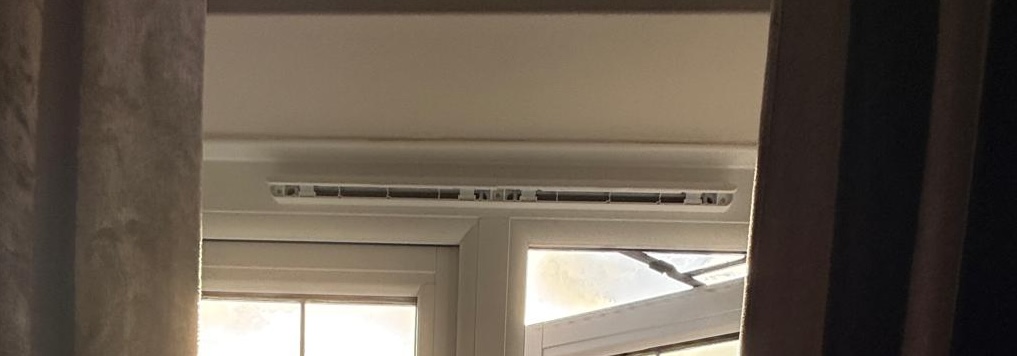
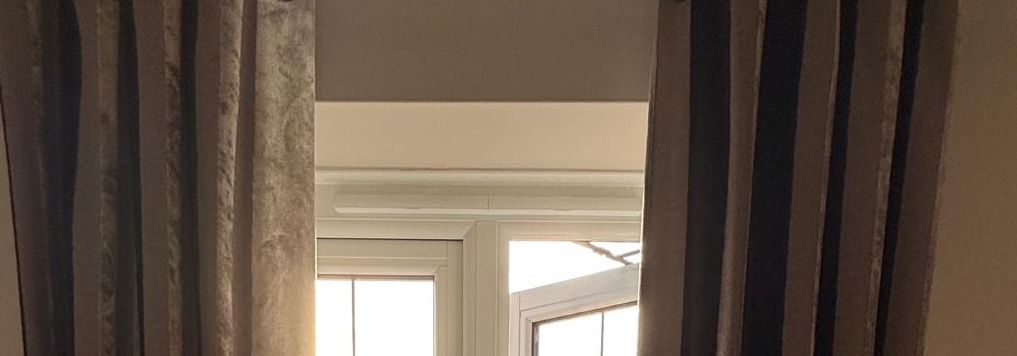
What are trickle vents and should I keep them open?
Trickle vents are the small adjustable slots in the top of many window frames. They let a controlled amount of fresh air in without you having to open the window, which helps balance moisture and cut condensation. As a rule, keep them open through the colder months rather than sealing them shut.
Your autumn window and door checklist
Taking an hour each autumn can prevent far more costly repairs in winter. We recommend:
- Clearing window and door weep holes
- Wiping down seals and gaskets
- Checking handles and locks operate correctly
- Inspecting external sealant for wear
- Cleaning the frame channels
- Keeping trickle vents clear and open
- Checking gutters and downpipes are free from blockages
Need a second opinion, a repair or a quote? The Abelglass team covers Blackpool and the Fylde coast. Get in touch and we will be happy to help.
